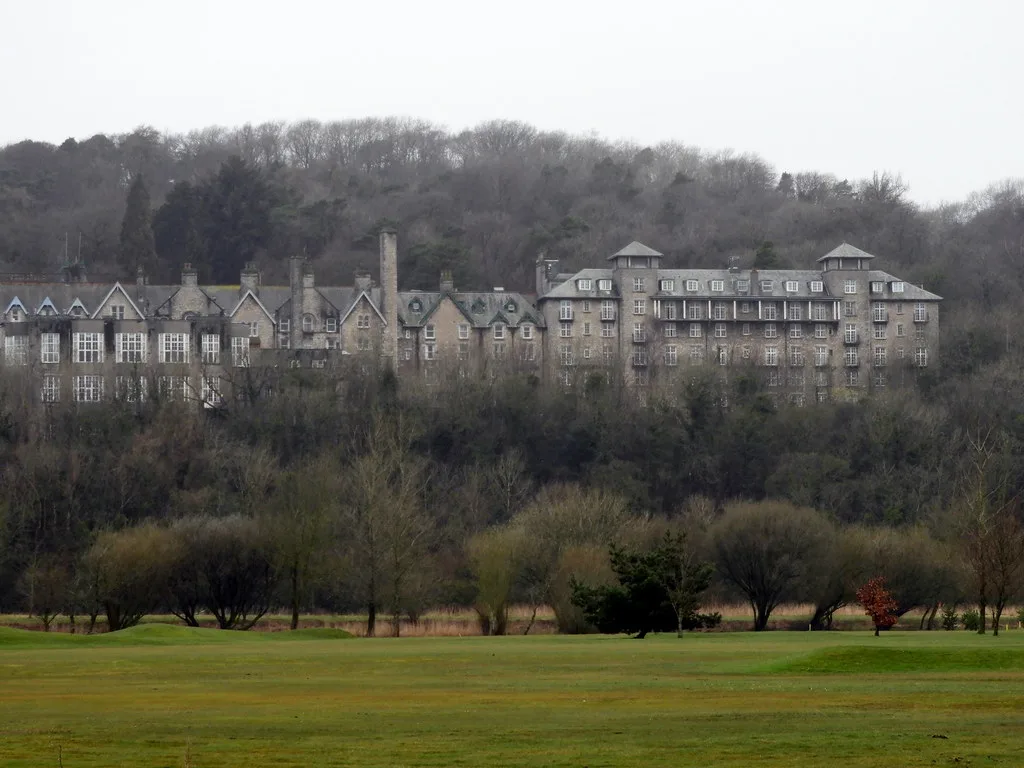

The Grange-over-Sands hotel will be marketed for sale with Strathmore's seven other hotels. No hotel jobs have gone and the bank expects to be repaid in full.
The Cumbria Grand Hotel in Grange-over-Sands is to be put up for sale. Its owner’s administrators say rescuing the company itself “is not achievable”.
Strathmore Hotels Limited went into administration on 11 August. Its joint administrators’ proposals, dated 18 September, were filed at Companies House on 22 September. They set out the plan for all eight of the group’s hotels for the first time.
Grange-over-Sands is about 12 miles south-west of Kendal. The Cumbria Grand is the group’s only hotel in Cumbria and one of two in England. The other is The Cairn in Harrogate.
What the administrators plan
The proposals say the hotels will be sold as going concerns, open and trading, rather than closed and sold empty. That is expected to raise “materially” more money.
The key points:
- Christie & Co has been appointed to sell the hotels, after a tender. Marketing will start “shortly”, once building surveys and energy performance certificates are done.
- Offers will be invited three ways: for all eight hotels together, for groups of hotels, or for single hotels. The offers received will decide which.
- The hotels keep trading “on a business as usual basis”. A specialist hotel management firm, Legacy, runs day-to-day trading.
- No hotel staff have been made redundant. All 390 hotel employees were kept on and their wage arrears paid. Three of the seven head office staff in East Kilbride were made redundant.
- The August payroll was paid on time, on 28 August, using £0.75 million paid to a payroll agent.
The Cumbria Grand is listed as a freehold, on Lindale Road. The administrators say the hotel furniture, fittings and stock will be sold with each hotel.
Why the company failed
The proposals describe “a long running dispute with HMRC”. The tax authority claimed significant VAT payments were overdue, along with other tax.
On 22 July 2026, HMRC petitioned the Court of Session in Edinburgh to wind the company up. The petition was for about £2.8 million. When the company’s bank, Handelsbanken, learned of it, the bank appointed the administrators under its floating charge.
The business itself was not losing money, on the figures in the proposals. The company’s management accounts for 2025 show an operating profit of £5.6 million on turnover of £22.0 million. In the first half of 2026 it made £1.4 million on £9.3 million. The administrators say they have not audited those figures.
Who is owed what
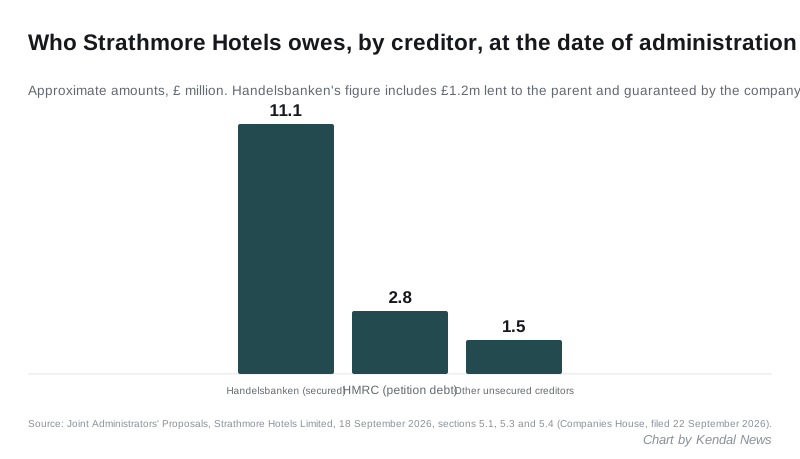
Handelsbanken holds security over all eight hotels. It is owed about £11.1 million. That is £9.9 million lent to the company, plus £1.2 million lent to its parent, Strathmore Leisure Limited, which the company guaranteed.
The administrators expect hotel sales to repay the bank in full. They also expect to pay any employee claims in full, and “may” be able to pay HMRC’s preferential claim. HMRC has not yet lodged its formal claim.
Other unsecured creditors, such as suppliers, are owed about £1.5 million, according to the company’s books. Whether they get anything back is “currently uncertain”. It depends on the sale prices, the trading results and the costs of the administration.
Those costs are already large. Interpath recorded time costs of £453,010.75 in its first month, to 11 September. That is 491.15 hours at an average of £922.35 an hour. Creditors are being asked to approve that basis of charging separately.
The directors had not yet provided a statement of affairs, the formal list of the company’s assets and debts, when the proposals were written.
What it means for you
If you have a booking. The hotel is open and its own website was still taking bookings on 29 September, including autumn and Christmas breaks. The proposals say customer payments go into the company’s bank account and are swept into the administration account. They do not say what would happen to a booking if the hotel changed hands before your stay. If your stay is after the sale is likely to happen, it is worth asking the hotel how your booking would be handled, and paying by credit card where you can.
If you work there. The administrators say holiday built up before a sale “is anticipated to be honoured by the purchaser”. If anyone is made redundant during the administration, holiday owed from before 11 August will be paid as an administration expense.
If you are a supplier owed money. The proposals are being approved by “deemed consent”. They count as approved unless creditors owed 10% of the company’s debts object. Creditors can ask for a physical meeting within five business days of the notice being delivered. The request needs creditors owed 10% of the debt, 10% of the creditors by number, or any 10 creditors. Interpath’s Glasgow office handles creditor queries on 0141 648 4281, and the report says it is collecting information about any claims against third parties.
What happens next
The next document on the register will be the administrators’ first progress report. It will include the trading results since August. The sale itself may come first: if a buyer is found for the Cumbria Grand, we will report who it is.
Our first report on the administration set out the company’s last audited accounts and its eight hotels. Grange-over-Sands is also among the places worth a day out from Kendal.
Have your say